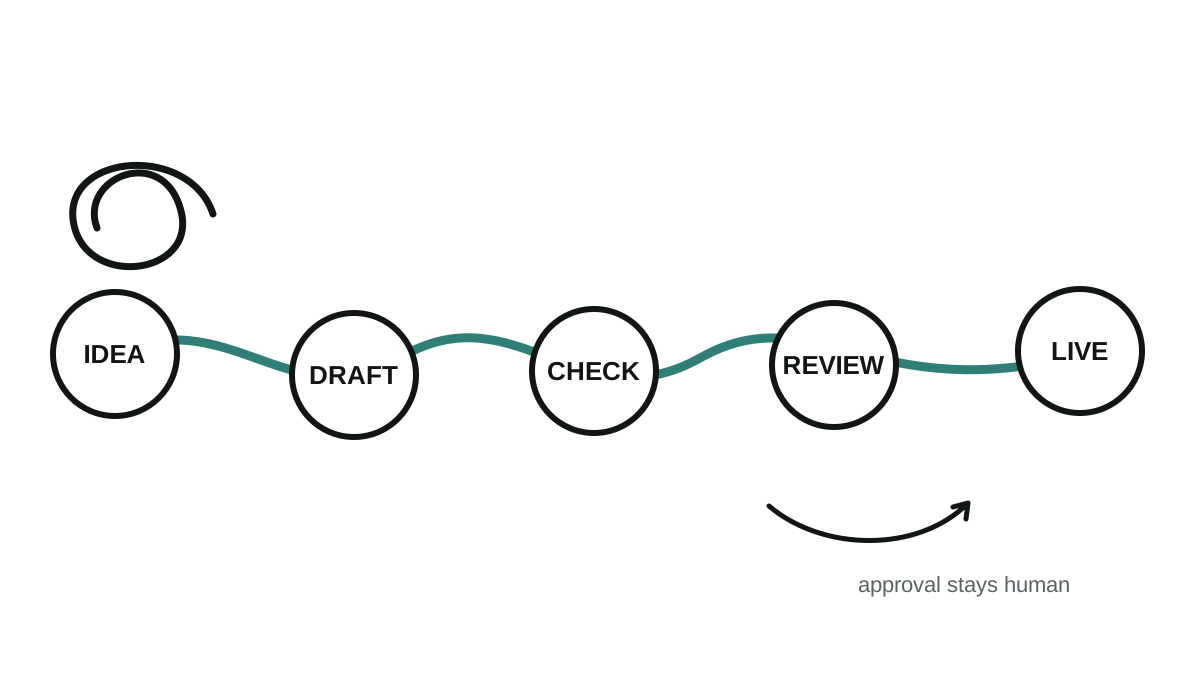
Publishing is a controlled sequence. Asking for a draft and approving a public change are separate actions.
1. Input
Start with real source material: corrected opening hours, a service description, job notes, an approved photograph, or links to reliable references. Mark anything that is uncertain or must not be invented.
2. Draft
The proposed change is prepared in the website source. AI can help turn natural-language instructions into structured content, image changes, metadata, or internal links.
3. Check
The site build validates the content structure. The changed scope, links, headings, metadata, and important factual claims still need review.
4. Preview
The rendered page is checked at useful desktop and mobile sizes. This catches problems that are not obvious in a source file, such as awkward line lengths, missing images, or a broken layout.
5. Approve
The owner or authorized operator decides whether the exact change is ready. AI does not need independent permission to publish to the live site.
6. Publish
The approved version is deployed. Version history records what changed and provides a known earlier state if a later correction is needed.
The website does not depend on an AI chat remaining available. AI is an editing interface around an ordinary owned site.