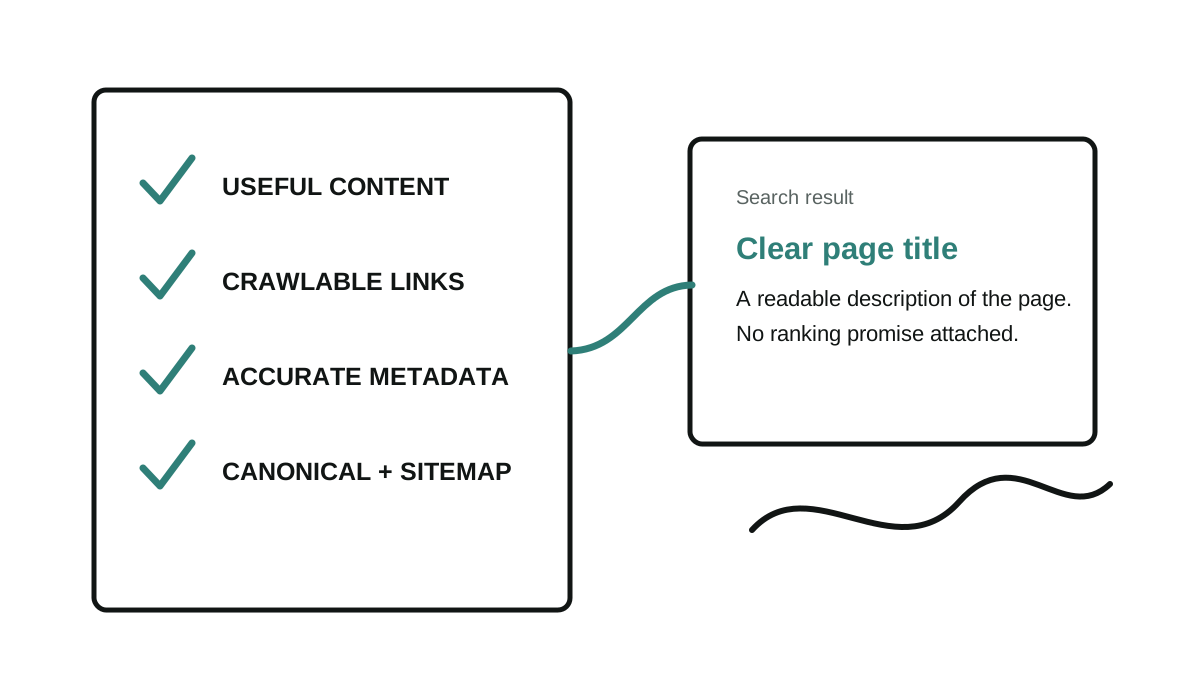
SEO is not one plugin setting. It begins with a site that people and search engines can navigate and understand.
Give each useful page a purpose
A service page should clearly explain the service, audience, location where relevant, important details, and the next sensible action. Unique titles and descriptions help identify the page, but they cannot rescue thin or duplicated content.
Keep links crawlable
Important pages should be reachable through ordinary HTML links. Use descriptive link text and a structure that does not hide the only route to a page behind an unsupported interaction.
Make the preferred URLs explicit
Use consistent internal links, accurate canonical URLs, and a sitemap containing the public URLs you want search engines to discover. Robots rules should not accidentally block pages or resources that need to be crawled.
Preserve technical basics
The page should return the correct status, work on mobile, use a logical heading structure, load its essential content reliably, and describe meaningful images with useful alternative text. Structured data is added only when it accurately represents visible content and matches a supported use.
Measure the real site
After launch, inspect the public output, not only source files. Search Console, analytics, server logs, and form tests answer different questions. A sitemap can help discovery, but it does not guarantee indexing or improve rankings by itself.
Technical foundations remove preventable obstacles. Visibility still depends on the usefulness of the content, competition, reputation, links, location, and decisions made by search engines.
Google’s developer SEO guide is a useful primary reference for crawling, links, sitemaps, and rendered content.