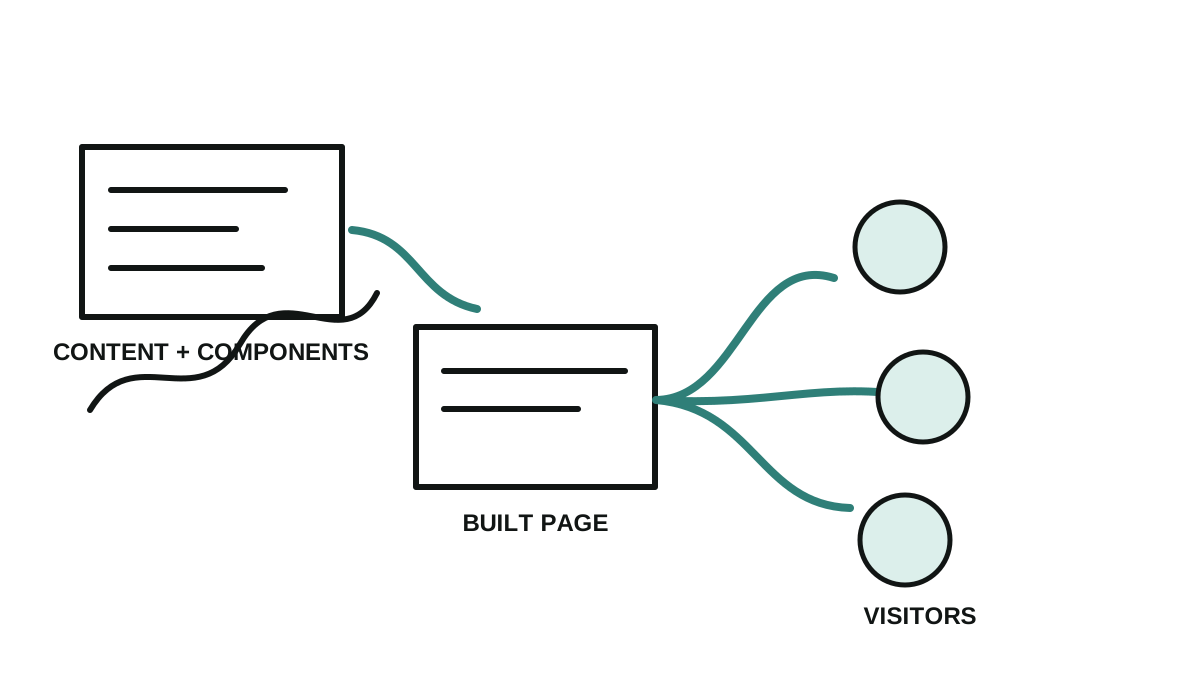
“Static” describes how the finished pages are delivered. It does not mean the website is frozen forever.
With Astro, content and components are assembled during the build. The output contains complete HTML pages, styles, scripts, and assets. When a visitor opens a normal page, Cloudflare can serve those built files without asking a content database to construct the page again.
Content can still change
To update a service, address, price, or article, we change the structured source, review it, and run another build. The next approved deployment replaces the public version. The workflow is different from editing a database through /wp-admin/, but the website is not permanent or locked.
Some functions still need a server endpoint
A contact form cannot deliver an inquiry with HTML alone. Its submission can go to a small Worker that validates the fields, checks the anti-spam token, and sends the message to an approved destination.
That does not require every public page to become a server-rendered application. The runtime can stay limited to the route that needs it.
Where static output fits well
It is a strong fit for business information sites, service pages, portfolios, documentation, and blogs where most visitors read public content.
It is not automatically the best fit for customer accounts, complex commerce, private dashboards, memberships, or frequently changing personalized data. Those needs may justify WordPress, a commerce platform, or a custom application.
The practical benefit is not a fashionable label. It is fewer moving parts on ordinary page requests and a build that can be checked before it goes live.